
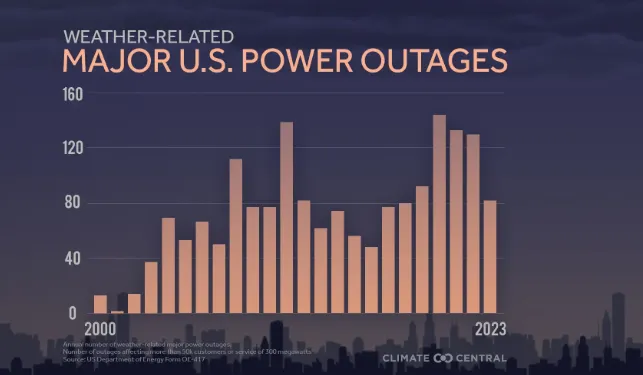
When a major storm knocks out electricity, the lights do not return everywhere at the same pace. Across the country, residents and researchers have documented a troubling pattern in which Black neighborhoods often wait longer for repairs than wealthier or whiter areas nearby. Understanding why Black cities slow power restoration USA reports keep surfacing requires looking beyond the weather itself. Aging equipment, restoration priorities, housing patterns, and decades of uneven investment all play a part. This article explains those causes, what they mean for families, and how communities can prepare.
Aging Infrastructure in Historically Underinvested Areas
Many Black neighborhoods were shaped by redlining and later by disinvestment, and utility upgrades often followed the money. Older poles, overhead lines, and transformers fail more easily in high winds and flooding. When equipment is already stressed, a storm creates more damage points that crews must repair one by one. Fewer modern automation tools, such as smart switches that reroute electricity, can also mean outages last longer. The result is that identical storms can leave very different damage depending on how well the local grid was maintained beforehand.
How Restoration Priorities Are Set
Utilities typically restore power in a set order. Hospitals, emergency services, and major transmission lines come first, followed by repairs that return service to the largest number of customers. Neighborhoods with fewer customers per mile of line, or those tucked behind damaged feeders, can end up near the back of the queue. Critics argue that this efficiency-driven approach unintentionally disadvantages Black and lower-income communities when crews are limited. Utilities defend the method as fair and safe, yet few publish clear data showing how outcomes differ across neighborhoods.
Evidence From Research and Real Outages
Several studies of hurricanes and winter storms have found that outage durations were longer in areas with higher shares of Black and Hispanic residents, even after accounting for storm severity. Researchers caution that causes vary by region and that data remain incomplete. Still, the pattern appears often enough to concern local planners and regulators. Residents describe watching neighboring districts regain service while their own blocks stayed dark for days. These accounts, paired with outage maps, give communities evidence to bring to utility commissions and city councils.
The Human Cost of Extended Outages
A multi-day blackout is more than an inconvenience. Food spoils, medications that need refrigeration are lost, and residents who rely on powered medical equipment face real and immediate danger. Heat waves and freezes make homes unsafe without climate control, while older adults and children are especially vulnerable. Lost wages add pressure when workplaces close or people cannot get online. Families with limited savings struggle to replace groceries or pay for a hotel, so the burden of slow restoration compounds existing financial inequality in the affected neighborhoods.
Building a Blackout Preparedness Checklist
Households can reduce risk with simple planning. A reliable blackout preparedness checklist USA families can follow includes water, nonperishable food, flashlights, extra batteries, a battery-powered radio, and portable phone chargers. Add a week of essential medications, copies of important documents, and a small cash reserve. Identify a nearby cooling or warming center, and agree on a family meeting point. Check on elderly neighbors early, especially those living alone. Preparation does not fix unequal grids, but it can shorten hardship while communities push for fairer restoration.
Community and Policy Solutions That Work
Lasting change requires action beyond individual households. Cities can partner with utilities to bury vulnerable lines, install microgrids, and place solar-plus-battery systems at schools and community centers. Regulators can require utilities to report outage duration by neighborhood and tie performance to penalties. Local organizations can map vulnerable residents and organize mutual aid before storms arrive. When residents attend rate hearings and demand transparent data, they create accountability that pushes investment toward the places that have waited longest for reliable electricity. Tracking these metrics publicly also helps measure whether promised upgrades are truly delivered.
Conclusion
Slow power restoration after storms is not simply bad luck; it reflects choices about infrastructure, priorities, and transparency. Black neighborhoods deserve the same speed and safety as every other community, and closing that gap is achievable with better data, smarter investment, and active public pressure. Until then, preparation protects families. For more community-focused resources and storytelling, visit bfacollective.com and keep the conversation going. Every neighbor and local leader has a role. Together, residents, advocates, and utilities can make sure the next storm leaves fewer people waiting in the dark.